Why Dune: Part Three Looks Different
A DP swap and a format decision are behind the shift everyone is feeling
Category:
Film / Craft
Author:
Ryan Joseph
Read:
7 mins
Location:
Arrakis
Date:
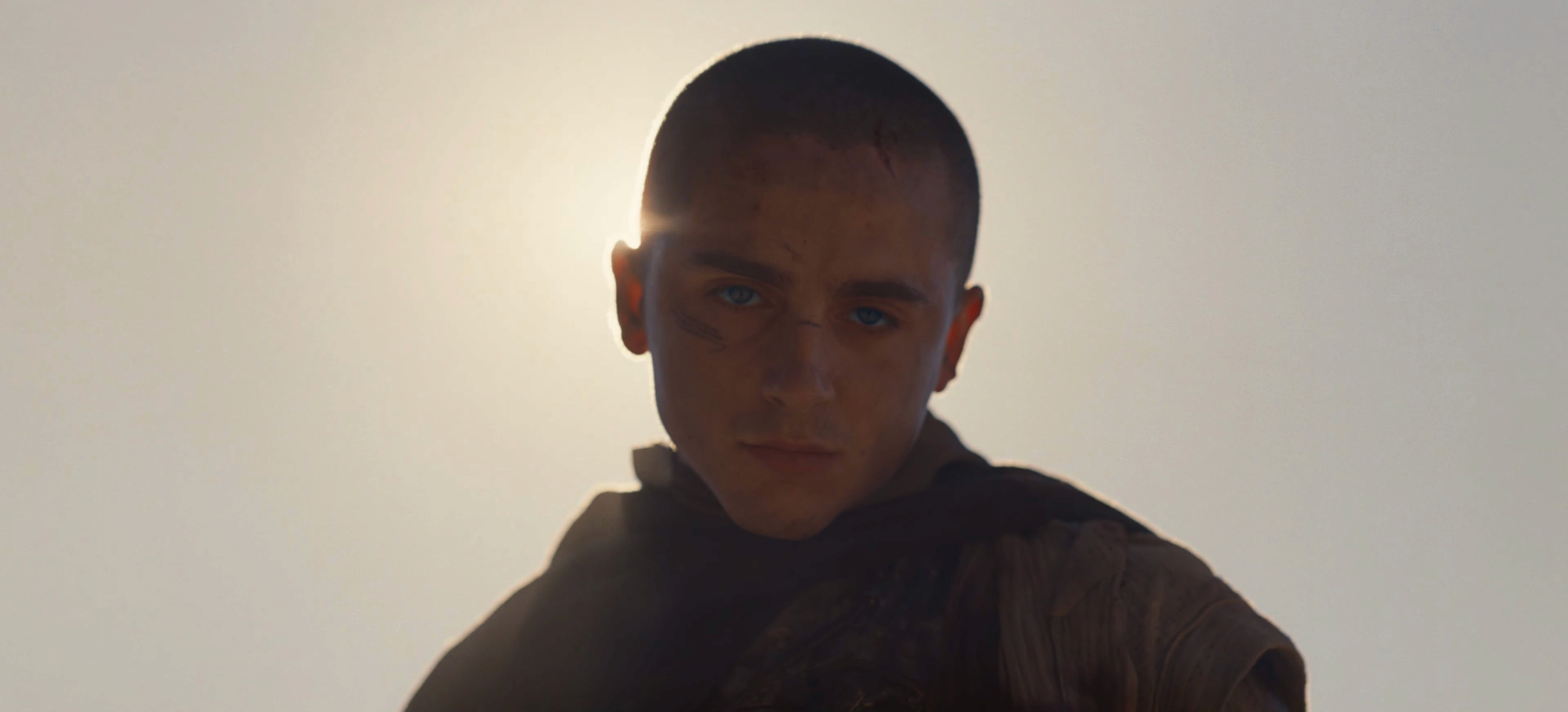
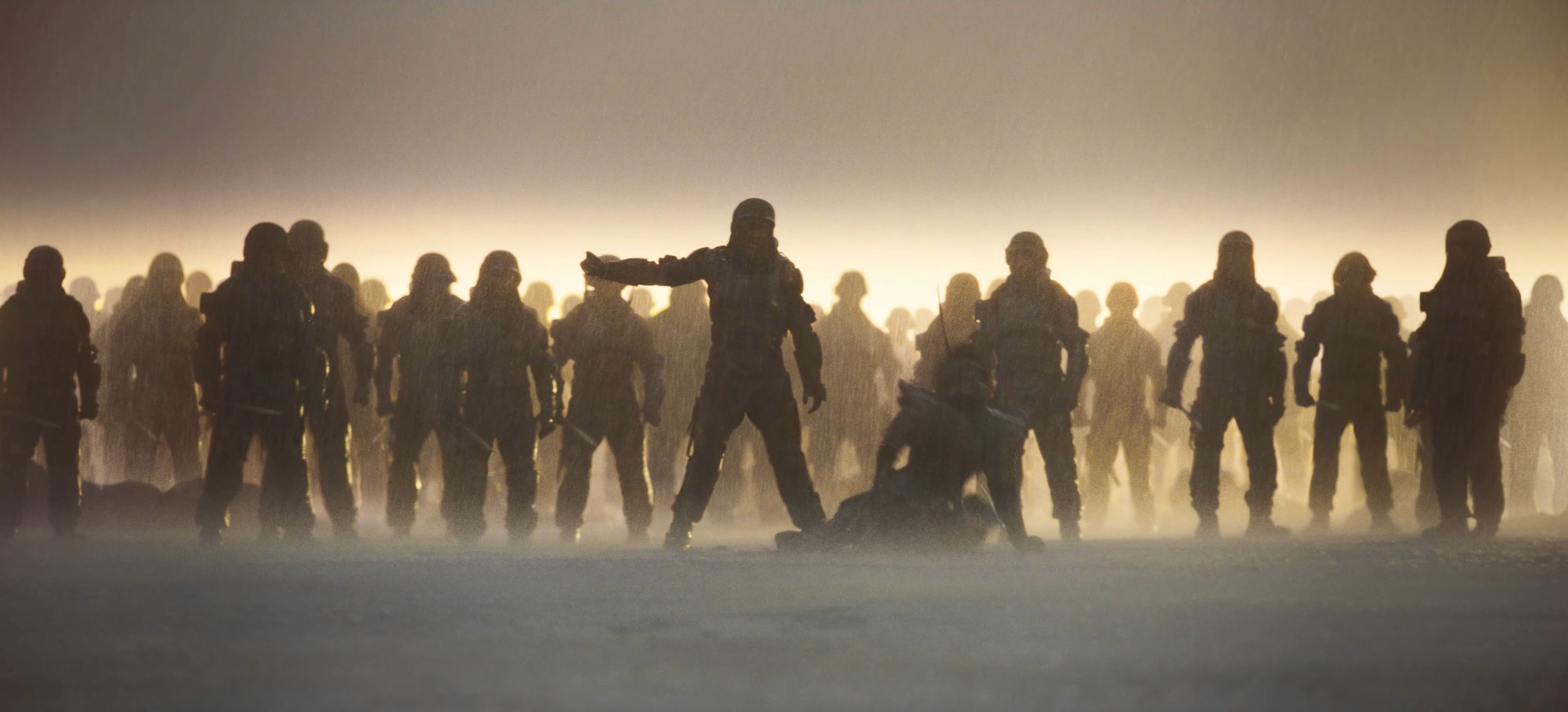
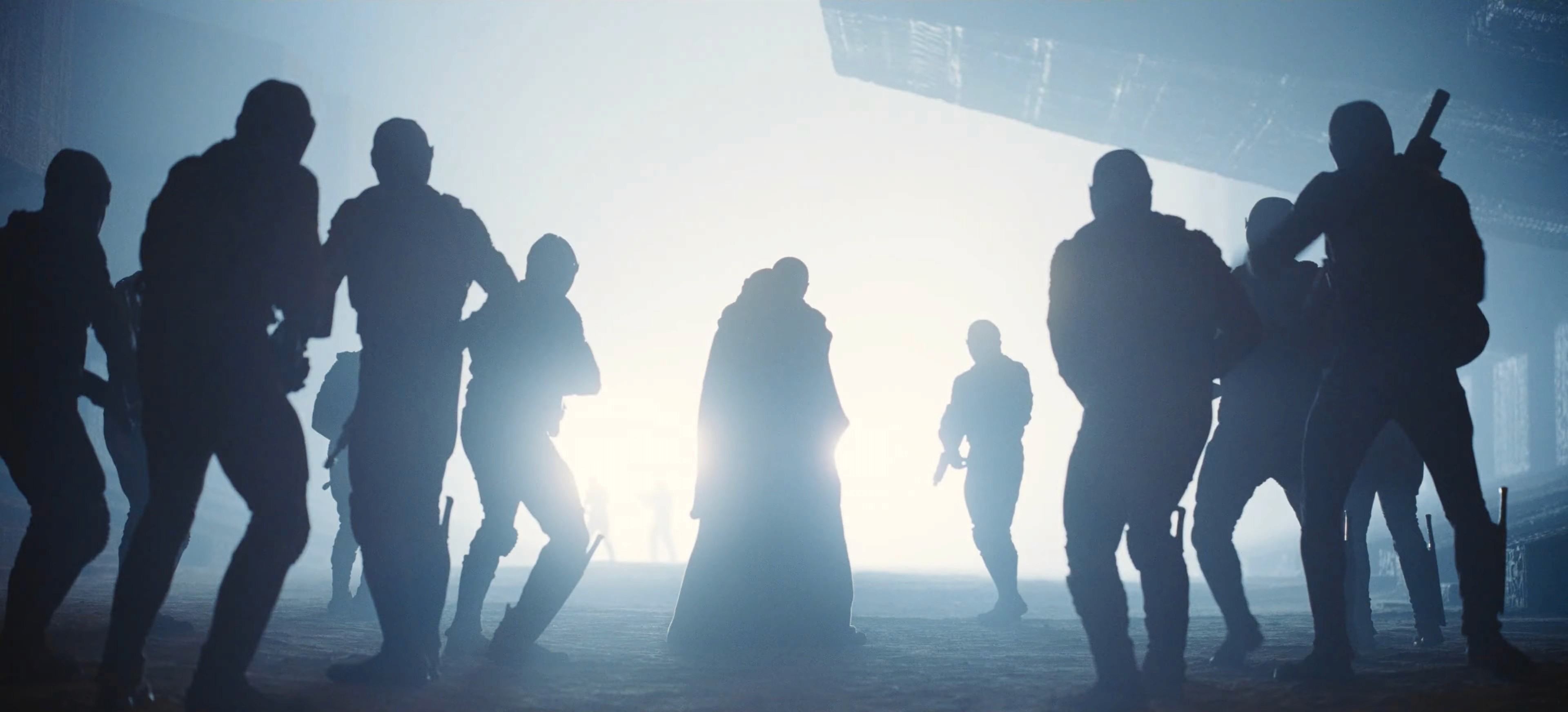

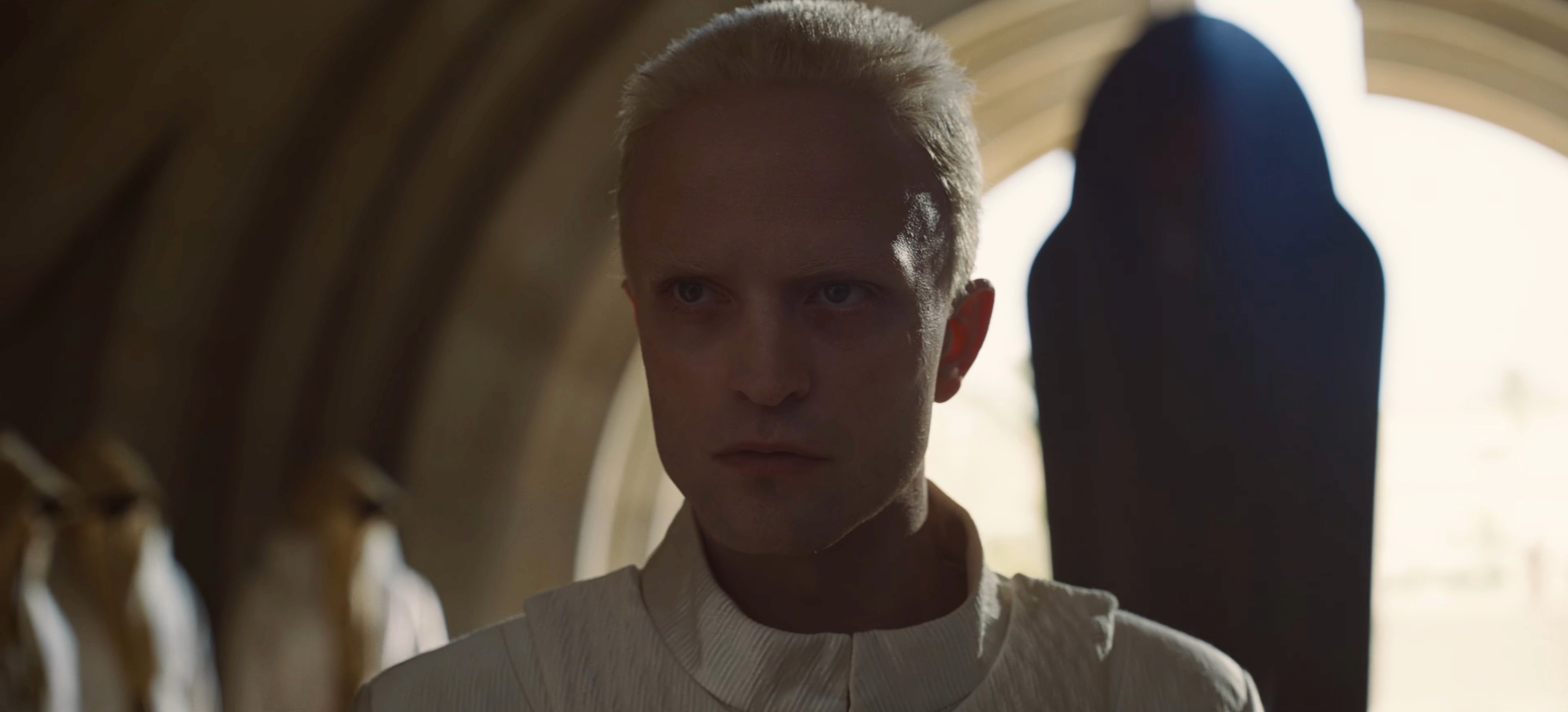
The Dune: Part Three trailer dropped today, and the response has been immediate. Critics, fans, and filmmakers all seem to agree on one thing: it looks different. Not wrong, not worse. Just noticeably shifted from the world Villeneuve spent two films building. Most people can feel it but can't name it. The answer is a behind-the-scenes decision that almost nobody outside the production world would have tracked.
What Greig Fraser Built
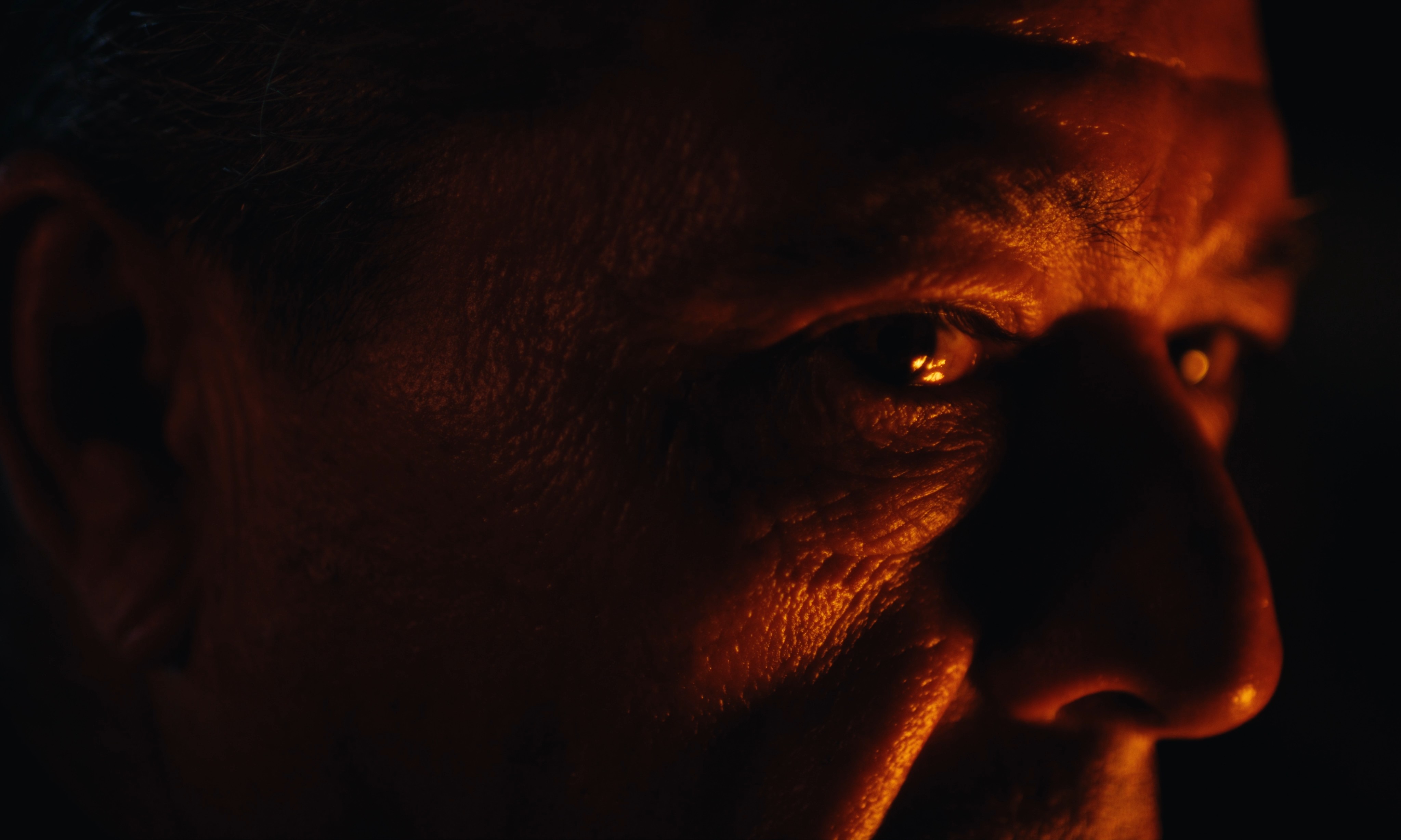
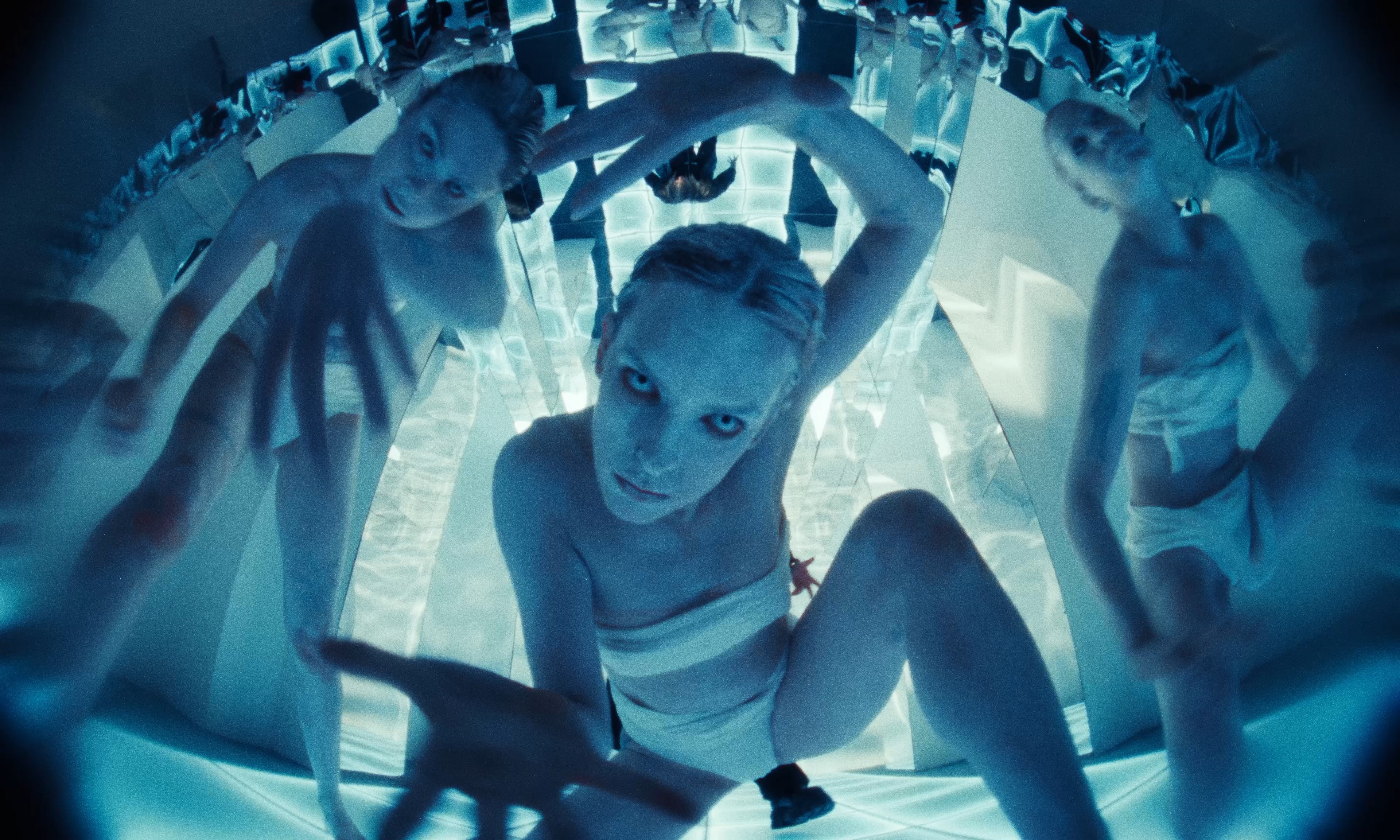
To understand the change, you have to start with what was already there. Over Parts One and Two, Greig Fraser built one of the most technically deliberate visual systems in recent blockbuster history. The pipeline was designed to give digital capture the organic weight of film. Footage was shot on ARRI Alexa 65 and LF cameras, run through a physical 35mm strip, and scanned back to digital. The infrared look of Giedi Prime was a separate deliberate choice, shot on modified cameras to produce near-monochrome images unlike anything else in the franchise. Every frame had a considered reason behind it. That approach won Fraser an Academy Award for Part One and set a specific visual identity that audiences now associate with the world of Arrakis.
The Pivot
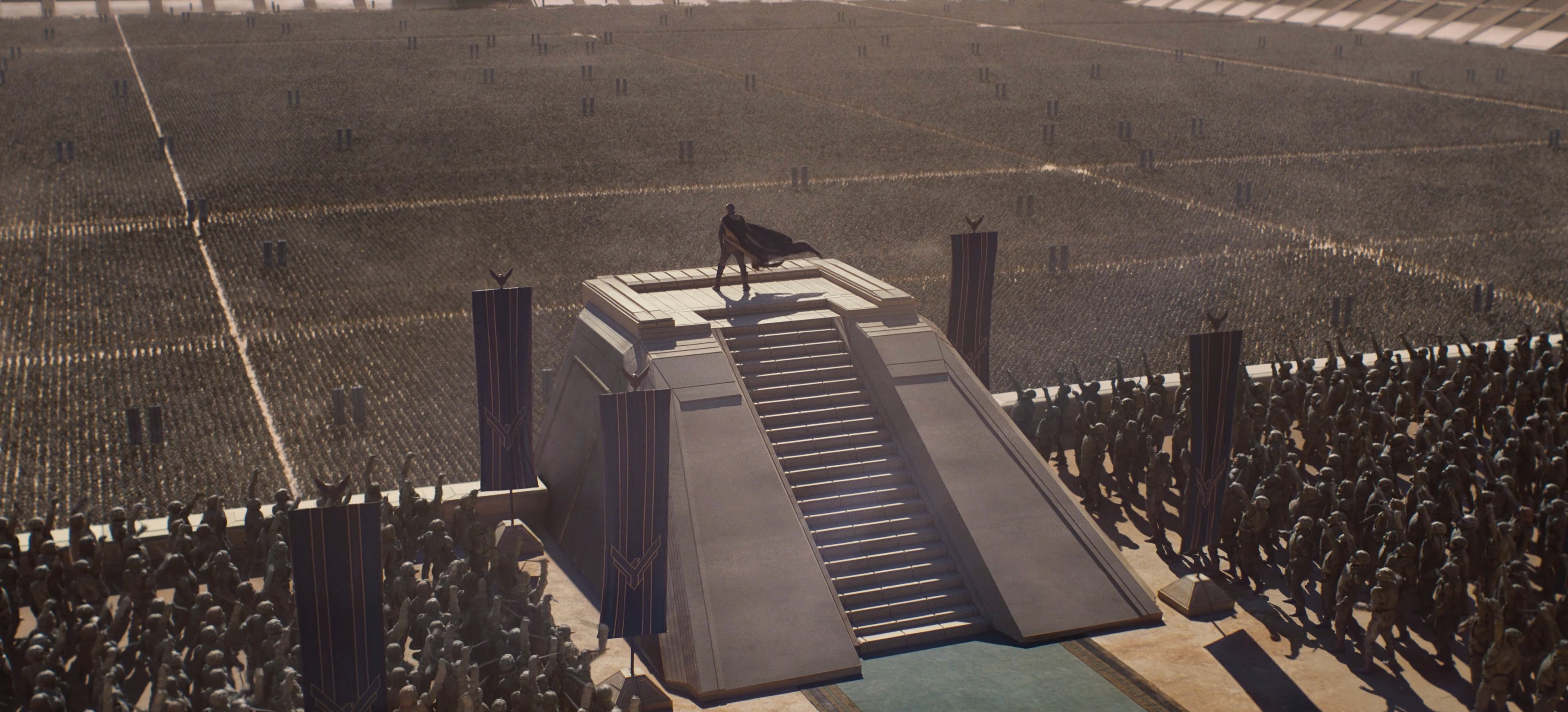
Fraser is not returning for Part Three. He stepped away to shoot all four of Sam Mendes' Beatles films, a commitment that runs parallel to Dune's production schedule. Linus Sandgren came in to replace him. The credits don't capture what actually changed as a result.
Villeneuve framed the decision in terms of perspective:
"You are visiting a new planet. And I wanted to approach this with a new pair of eyes. So I approached my dear friend, Sandgren." -Villeneuve on bringing in Sandgren and shooting on film Source: deadline.com
What followed was a format conversation that the production had never fully committed to before. "We decided, both of us, to shoot most of the movie in film," Villeneuve explained. "I haven't shot in film in years, and we shot the film in the 65mm, most of it, a big part of it is also shot in IMAX film, a first-time for me." The film is primarily captured on 65mm film stock, with select sequences shot on 15/70mm IMAX film. MovieWeb
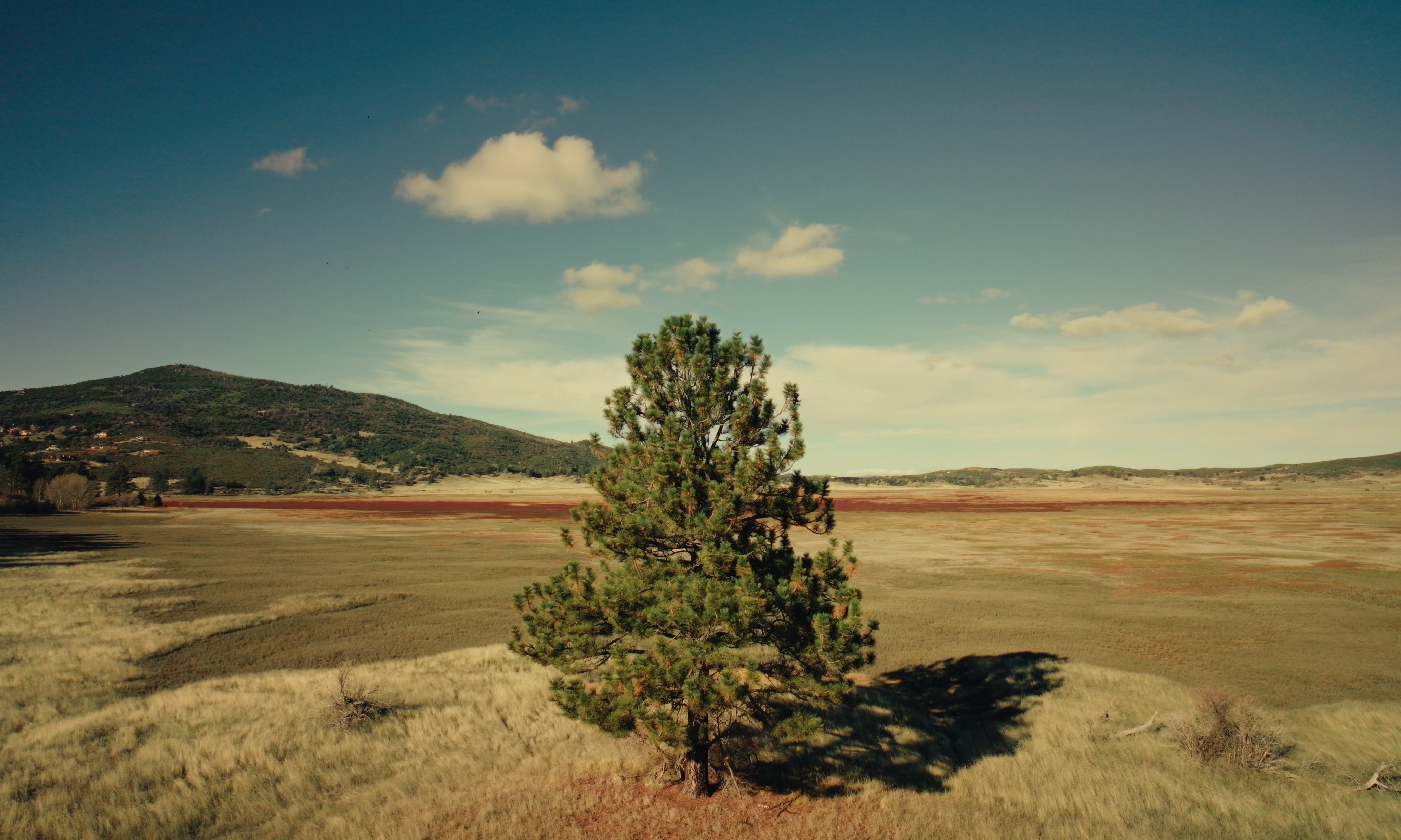
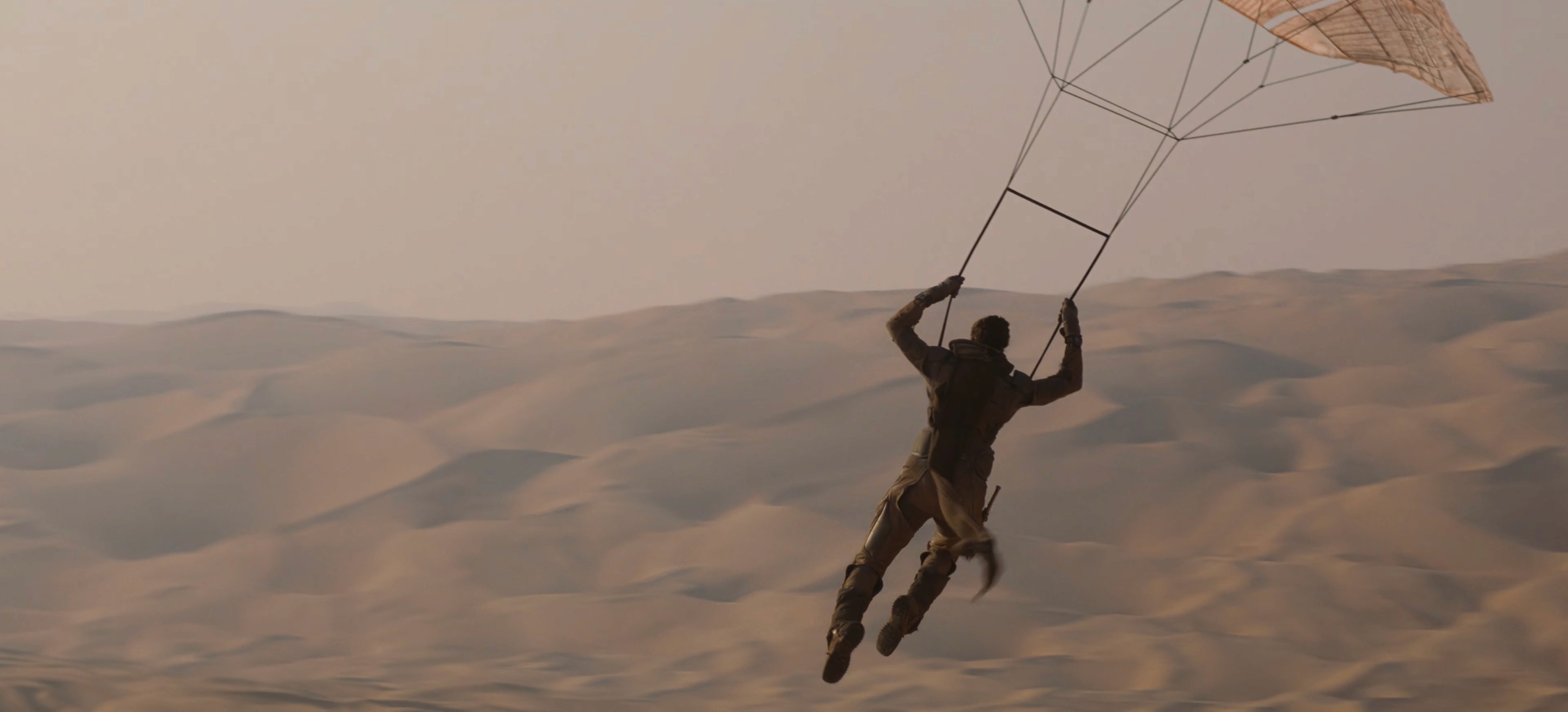
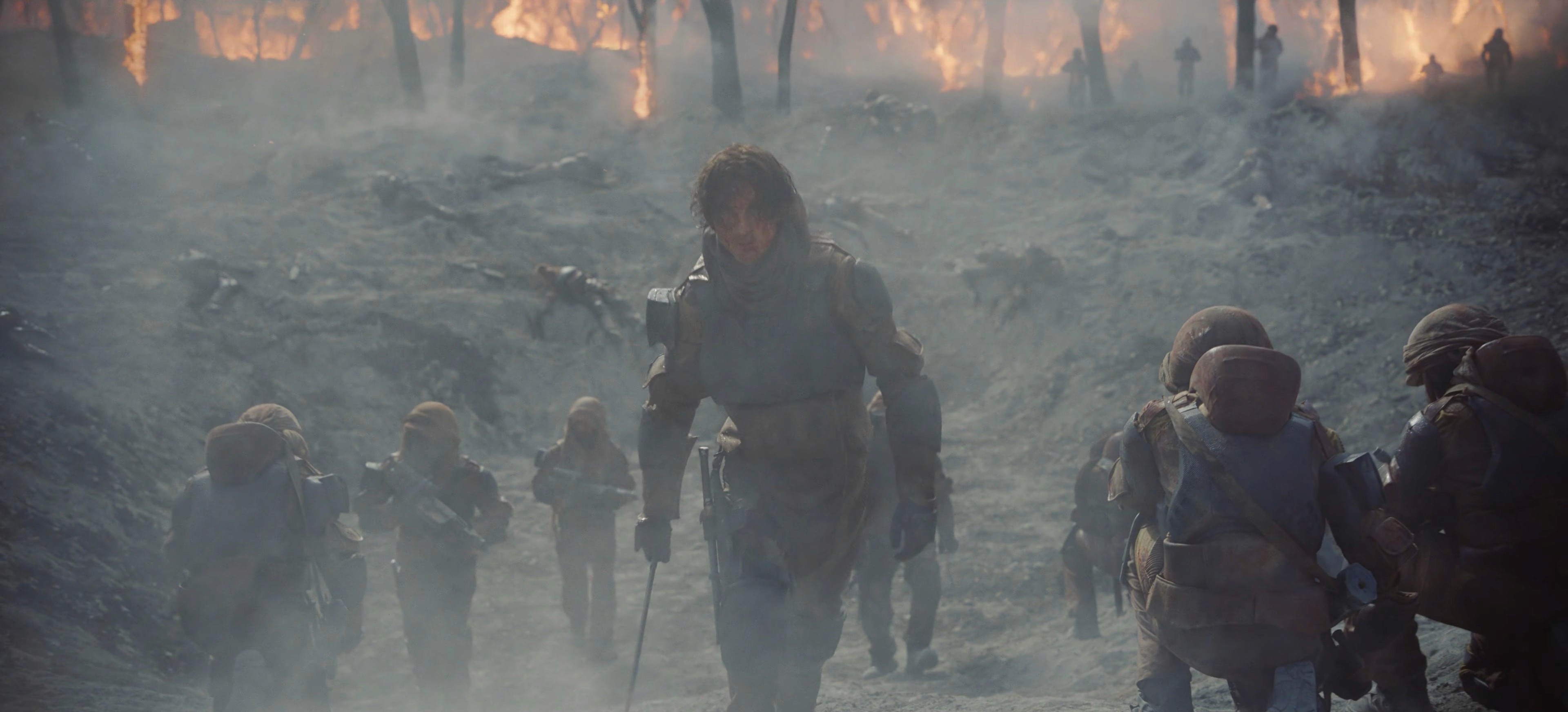
The desert, however, is the exception. "I kept the desert in digital because I like the brutality of the digital IMAX," Villeneuve said, calling the IMAX cameras the best in the world and describing the results on screen as "quite unmatchable." -The American Society of Cinematographers
Three distinct capture formats inside one film. That's not a compromise. That's a deliberate texture strategy.
What the Format Actually Changes
This is the part that most coverage misses, and it's where the real story is. The shift from Fraser's digital-to-analog transfer pipeline to Sandgren's direct photochemical capture on 65mm and 15-perf IMAX film produces fundamentally different image qualities, not just aesthetically but physically.
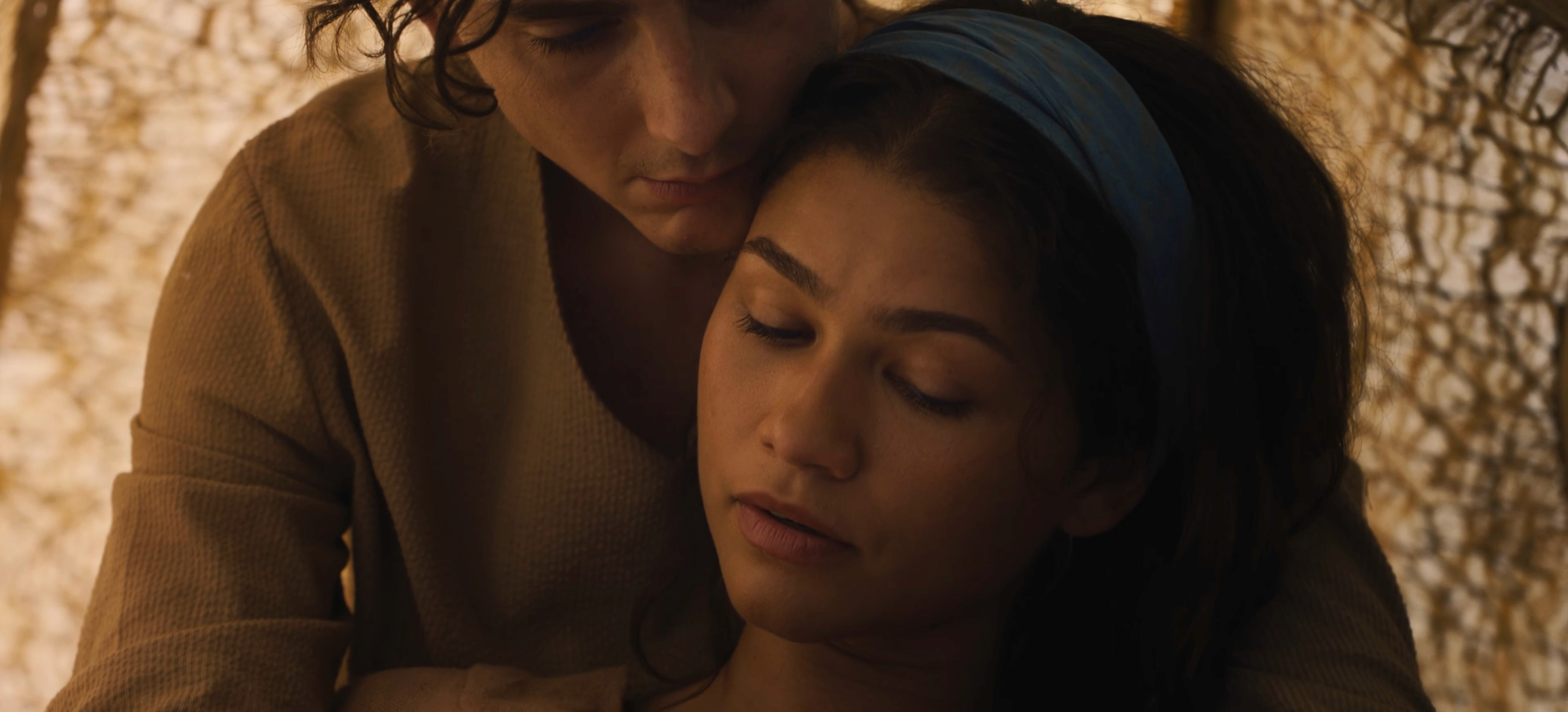
Shooting on film reshapes exposure strategy, filtration, and the entire path to the screen from the ground up. Film at large format size carries highlights with shape, lets sand sparkle without digital grit, and color separates in ways that breathe rather than clip. On digital, a still camera pointed at a static wall produces a static image. Film, even when motionless, is alive at the emulsion level. Sandgren described it directly: "Film is an organic format. If you have a digital camera and the camera is still, and there's a wall, then it's actually a still image, and it's not moving. But film moves, and that automatically helps with the suspension of disbelief. It also really helps with the richness of the colors and the skin tones." Artvoice
That quality becomes more pronounced at 65mm. The negative is larger, which means finer grain, more tonal range in the highlights, and deeper blacks with more gradation before they crush. Sandgren has spoken about working on film this way: "When you work on film, I get the dailies back and even though I know with experience how it should look, the film just gives me more of something I couldn't predict, which helps me appreciate and embrace the image." That unpredictability isn't error. It's the format contributing something the cinematographer can't fully plan, and Sandgren leans into it rather than correcting for it. FizX
The IMAX film sequences add another layer. Villeneuve's use of 15-perf 65mm IMAX cameras is a first for him. At that negative size, detail resolution surpasses anything the previous two films captured, while still carrying the organic warmth of photochemical stock. Then the desert cuts to native digital IMAX: clean, high-contrast, hard-edged. The grain disappears. The warmth drops out. You feel the heat and the exposure because the format demands it.
The result is a film where the texture of the image tells you where you are before the frame does. Interior civilization and ceremony carry the weight of film. The desert remains hostile, stark, and digital. The world of the film is split at the format level.
Sandgren's Approach
The reason this works is that Sandgren is not a DP who imposes a signature look on material. His entire method starts with the story, and format is a tool he reaches for based on what the narrative needs rather than personal preference.
"Cinematography should be about conveying the emotional story. That's number one," -Sandgren SuperHeroHype
He has said. "A film should look appropriate for the story we're telling. It's about communicating the emotions of the film. And that can be ugly." That philosophy has produced work across an unusually wide range: the saturated expressionism of La La Land, the brutal documentary intimacy of First Man, the oil-painting voyeurism of Saltburn. He is known specifically for his use of unique and unconventional formats, shooting different films on entirely different systems depending on what the story requires. No Film School
He has been consistent about where those decisions come from: "It's important to make these decisions from the script and not just come up with these decisions because you like the way it looks. It's about how the story is best told." ComingSoon.net
Applied to a Dune film where the civilizational interior is decaying and the desert is the only honest place left, the format logic writes itself. The warmth and organic movement of 65mm film belongs to the empire that is rotting from within. The brutality of digital IMAX belongs to the only place Paul's consequences haven't yet reached.
Why It Matters Beyond Dune
A DP change is often treated as a continuity problem in franchise production. The instinct is to minimize the transition, preserve the established visual language, keep things consistent. What happened on Dune: Part Three is the inverse. Sandgren's arrival unlocked a format choice the production had been circling for two films. The change became the creative inflection point, not a liability to manage.
The DP shapes the fundamental conditions under which every other visual decision is made: format, palette, what information the frame holds and what it withholds. When that person changes, the entire conversation resets. Sometimes that reset is exactly what a project needs.